
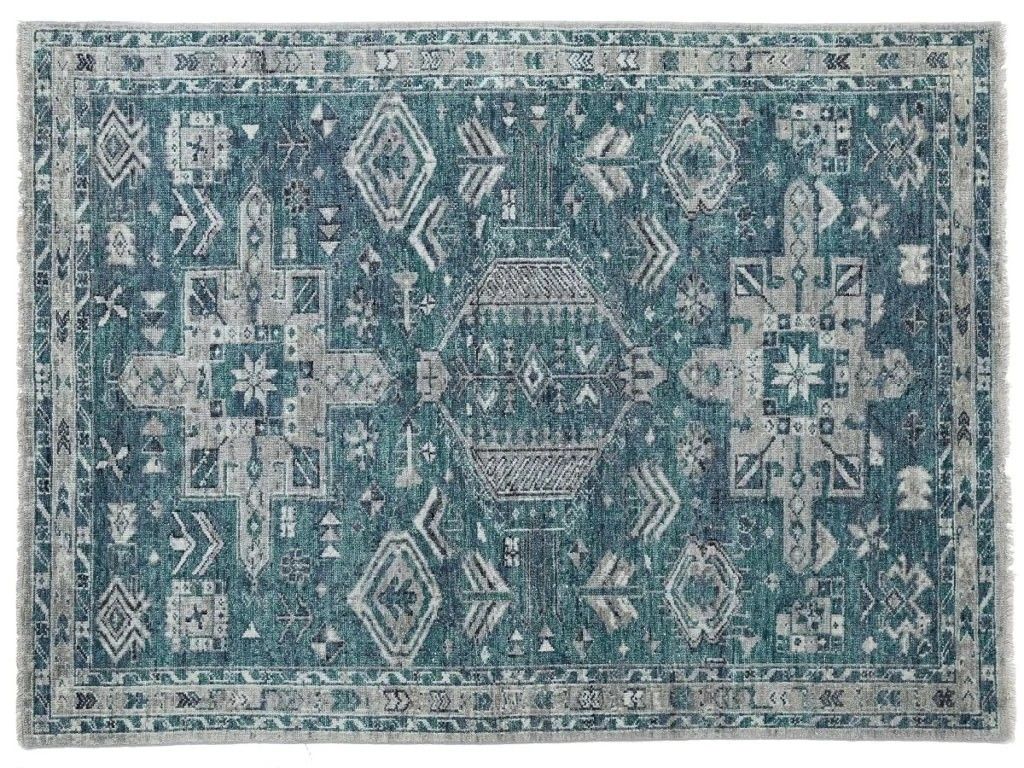
Erased rugs have become a popular choice in home decor, blending the charm of vintage aesthetics with modern craftsmanship. These rugs, known for their faded patterns and lived-in feel, bring character to any space. Whether you’re looking to “buy erased rugs” or simply learn more about them, understanding their materials and construction is key to making the right decision.
This guide will walk you through erased rug materials, weaves, and care tips to help you make an informed choice. Let's get started.
What Are Erased Rugs?
Erased rugs are crafted to look as though they’ve aged gracefully, with parts of their designs intentionally faded or “erased.” These intricate designs give them a distressed, antique appearance while ensuring they remain functional as modern floor coverings. They appeal to those who want a rug that adds subtle texture and a casual yet sophisticated vibe to their room.
Rising demand for erased rugs highlights their versatile use in both contemporary and classic interiors. If you appreciate artistry and unique designs, erased rugs can be a great addition to your home.
Understanding the Materials Used in Erased Rugs
The material used in a rug has a significant impact on its appearance, feel, and durability. Most erased rugs are made using natural fibers like wool, silk, and cotton. Each material offers its own strengths and may align differently with your needs.
1. Wool
Wool is one of the most common materials used in erased rugs. It is soft, durable, and naturally stain-resistant, making it an excellent choice for high-traffic areas. Wool rugs maintain warmth and are comfortable underfoot.
Pros:
- Durable and long-lasting.
- Holds color well even after the erasing process.
- Naturally repels dirt and stains.
Cons:
- Can shed initially.
- May be higher in cost compared to synthetic fibers.
Wool is ideal if you’re looking for a cozy, hard-wearing erased rug that also feels luxurious.
2. Silk
Silk adds a touch of shine and softness that’s unmatched by other fibers. Erased rugs made with silk often feature fine detailing and have an elegant sheen.
Pros:
- Offers a soft, smooth texture.
- Provides a luxurious, high-end look.
Cons:
- Less durable than wool.
- Prone to stains and water damage.
- Expensive.
Silk rugs are best suited for low-traffic areas or spaces where they can be displayed as decorative pieces.
3. Cotton
Cotton is often used as a base material or blended with wool to make erased rugs. It is lightweight and easy to maintain.
Pros:
- Affordable and easy to clean.
- Soft yet durable for moderate use.
Cons:
- Less durable than wool or silk.
- Can fade more easily over time.
Erased rugs with cotton blends are good for casual, budget-friendly options that are still attractive.
Material Impact on Durability and Appearance
Choosing the right material depends on where you plan to place the rug and your lifestyle. Wool is a great all-purpose option, while silk works well for areas requiring a decorative touch. Cotton provides an easy-care, affordable alternative.
When you “shop carpets” or erased rugs, always check the material labels to ensure you’re investing in something that suits your home.
Exploring Different Weaves in Erased Rugs
Weaving is another critical aspect of a rug’s construction. The weave affects the rug’s texture, sturdiness, and overall design. Erased rugs are crafted using various weaving techniques, each offering unique characteristics.
1. Hand-Knotted
Erased hand-knotted rugs are made by tying individual knots of yarn onto a foundation. This technique is time-consuming but results in incredibly durable and detailed rugs.
Benefits:
- Long-lasting and resistant to wear.
- Often features intricate patterns with great precision.
This is an excellent choice if you’re after an heirloom-quality rug.
2. Hand-Tufted
Hand-tufted rugs are created by punching strands of yarn into a canvas backing. They replicate the look of hand-knotted rugs but take less time to produce.
Benefits:
- Faster production makes them more affordable.
- Offers a range of styles and designs.
However, hand-tufted rugs are less durable than hand-knotted ones and may show signs of wear with heavy use.
3. Flatweave
Flatweave rugs are woven without a pile, resulting in a thinner yet lightweight rug ideal for layering or casual spaces.
Benefits:
- Easy to move and clean.
- Reversible in many cases.
While flatweave rugs don’t offer the plush feel of hand-knotted or tufted designs, they’re perfect for high-traffic areas or budget-friendly decor.
Matching Weaves to Erased Rugs
When purchasing erased rugs, opt for hand-knotted or hand-tufted weaves to emphasize the intricate designs and faded detailing. Flatweave options can work well for minimalist patterns or lighter use.
Remember, the weave of a rug should align with the traffic and purpose of the room you’re placing it in.
The Erasing Process and Its Impact
The erasing process is what sets these rugs apart. By manually or chemically fading parts of the design, artisans create a worn, vintage aesthetic that adds depth and character.
What Happens During the Process?
The erasing process can involve shaving down the pile, applying distressing techniques, or natural weathering. These techniques result in unique textures and patterns, ensuring no two erased rugs are exactly the same.
This process highlights the craftsmanship behind erased rugs and ensures each piece stands out in your decor.
Why Choose Erased Rugs?
The faded look enhances a rug’s ability to blend effortlessly with existing furniture and decor. Their subtle designs make them versatile across various interior styles, from modern to rustic.
If you want a rug that feels both timeless and contemporary, erased rugs are a great option.
Caring for Your Erased Rug
Proper care ensures your erased rug remains as stunning as the day you bought it. Here are a few tips to protect your investment:
Cleaning and Maintenance
- Vacuum regularly using a low-speed vacuum to remove dirt and debris without damaging the fibers.
- Spot clean spills immediately using a mild, non-abrasive cleaner. Avoid soaking the rug.
- Rotate the rug every few months to ensure even wear.
Preventing Wear and Tear
- Use a rug pad to keep the rug in place and reduce friction with the floor.
- Protect it from direct sunlight to prevent fading, especially for cotton or silk rugs.
With these steps, your erased rug can last for years while maintaining its charm.
Where to Buy Erased Rugs and Shop Carpets
When looking to “buy erased rugs” or shop for carpets, focus on reputable dealers who can guarantee quality and authenticity.
Guides for Buyers
- Research Rug Dealers: Check for reviews and recommendations from past buyers.
- Examine Rug Details: Look for consistency in weaving, material quality, and the intricacy of the erased design.
- Compare Prices: While price reflects quality, always compare options to get the best deal.
Several online stores and local artisans’ shops specialize in erased rugs. Make sure you’re getting a piece that’s both visually appealing and durable.
Why Erased Rugs Are Worth It
Erased rugs are more than just floor coverings; they’re a combination of artistry and practicality. With the right material, weave, and care, an erased rug can transform any space while offering long-lasting utility.
When you’re ready to “shop carpets” or buy the perfect erased rug, remember this guide to make a choice that fits your style and needs. Start your rug-buying journey today, and bring home the “erased” charm your space deserves.