
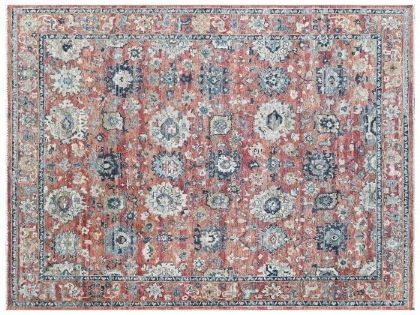
Dining room rugs define open-plan spaces by creating clear visual boundaries between living and dining areas. They anchor furniture, reduce noise, and add warmth. Choose a rug that extends at least 24 inches beyond your table to ensure chairs stay on the rug when pulled out.
Open-plan living spaces offer great natural light and a sense of freedom. Removing walls creates a spacious environment that encourages social interaction. However, this architectural style brings a specific set of design challenges. Without walls to dictate where one room ends and another begins, furniture can easily look like it is floating aimlessly across a large room.
You need a way to build structure without putting up physical barriers. A well-placed rug solves this problem instantly.
Dining room rugs act as anchors. They draw a clear line around your dining furniture, establishing a distinct zone for meals and gatherings. By reading this guide, you will learn exactly how to use these textiles to structure your open-plan layout, what materials work best, and where to source quality pieces.
Why is it challenging to create defined zones in open-plan spaces?
Open-plan layouts frequently suffer from visual clutter. When the kitchen, dining area, and living room share one continuous floor, the eye struggles to find a resting place. Furniture arrangements often bleed into one another.
Without architectural boundaries, noise also travels easily. Conversations in the kitchen clash with the television in the living room.
Rugs offer a simple, effective solution. They ground your furniture, absorb sound, and provide visual cues that tell the brain exactly how a specific area functions.
What are the main ways dining room rugs transform open-plan layouts?
A rug does much more than cover the floor. It fundamentally changes how a space looks, feels, and sounds.
How do rugs provide visual separation?
A rug acts like a frame for your dining table. The contrast between the rug and the hard flooring underneath creates an immediate boundary. This visual separation tells anyone walking into the room that the area serves a specific purpose, separate from the adjacent living space.
Do rugs offer acoustic benefits?
Large open spaces with hard floors create echoes. Sound bounces off wood, tile, and glass. A dense rug absorbs these sound waves. According to interior design standards, adding soft textiles to a room significantly reduces ambient noise. This makes your dining area feel more intimate and comfortable for conversation.
How do rugs add warmth and texture?
Hardwood and tile floors look clean, but they can feel cold underfoot. A rug adds immediate physical warmth. Furthermore, the texture of the fibers brings a layer of comfort to the room, softening the hard edges of wooden or metal dining chairs.
Why is anchoring furniture important?
When you place a table and chairs directly on a bare floor in a large room, the furniture looks disconnected. A rug brings these elements together. It serves as a foundation that ties the table and chairs into one cohesive unit.
How should you choose the right dining room rug?
Selecting a rug for a dining area requires specific practical considerations. You must account for moving chairs, food spills, and the overall dimensions of your room.
What size and shape work best?
Size is the most critical factor. Your rug must be large enough to accommodate the table and all the chairs, even when people pull them out to sit down. As a strict rule, the rug should extend at least 24 inches beyond all sides of the dining table.
Match the shape of the rug to the shape of the room or the table. Rectangular tables look best on rectangular rugs, while round tables pair perfectly with round or square rugs.
Which materials offer the best durability?
Dining rooms see a lot of traffic and potential spills. Choose durable, easy-to-clean materials. Wool stands out as an excellent choice because it naturally repels stains and handles heavy foot traffic well. Synthetic materials like polypropylene also offer high stain resistance and easy maintenance. Avoid high-pile or shag rugs, as they trap crumbs and make moving chairs difficult.
How do you match the style and color?
The rug should complement your existing decor. If your open-plan space features neutral furniture, a brightly colored rug can inject personality into the room. If your space already holds a lot of color, a neutral rug with a subtle pattern provides a calming balance.
How can you integrate a dining room rug with your existing decor?
Your dining rug does not exist in a vacuum. It must communicate effectively with the rest of your open-plan home.
How do you harmonize with adjacent spaces?
Look at the colors in your living room and kitchen. Choose a dining rug that shares at least one accent color with these adjacent zones. This ensures the open-plan space feels cohesive, even as the rug defines a separate boundary.
Can a rug serve as a statement piece?
Yes. If your dining furniture features simple, clean lines, you can use a bold geometric pattern or a vibrant traditional motif to draw attention. The rug becomes the focal point of the dining zone.
Does layering rugs work in a dining area?
Layering works well if you have a large, inexpensive natural fiber rug (like jute or sisal) covering a wide area, and you place a smaller, more detailed rug directly under the table. However, keep the top layer flat to ensure chairs slide easily.
Where should you buy quality dining room rugs?
When you decide to buy rugs for your home, you face a crowded market. Many big-box retailers sell mass-produced options. However, investing in a high-quality piece pays off in longevity and style.
When you evaluate where to buy rugs, consider the manufacturing process, the materials used, and the company's background. Machine-made rugs wear out faster and often lack unique character. Handwoven options bring distinct artistry to your floor.
The Ambiente stands out as a premier source for high-quality floor coverings. Based in Bhadohi—India's hub for carpet weaving—the brand leverages over 30 years of expertise through its parent company, Bhadohi Carpets. Founded by Avani Khandelwal and Ayush Baranwal, The Ambiente brings fairly priced, beautifully woven designs directly to consumers.
What makes Handmade Rugs in India from The Ambiente special?
Bhadohi holds a rich history of traditional hand-knotted carpet weaving. The Ambiente taps directly into this heritage, producing Handmade Rugs in India that cater to modern sensibilities while respecting age-old techniques.
The brand's strength lies in its artisan network. The Ambiente works with over 4,000 women weavers, providing them with sustainable livelihoods and a platform for their craft. When you purchase one of these handmade rugs, you do not just get a floor covering. You support a vital ecosystem of rural artisans, designers, and architects working in close collaboration. The result is a highly durable, beautifully designed rug that brings authentic Indian craftsmanship into your open-plan home.
The Lasting Impact of a Well-Chosen Dining Room Rug
Open-plan living requires strategic design to function well. Dining room rugs provide the perfect tool to carve out specific zones without sacrificing the spacious feel of your home. They anchor your table, muffle echoing voices, and bring much-needed texture to hard floors.
By paying attention to size, material, and origin, you can find a piece that withstands daily use and elevates your interior styling. Review your current floor plan, measure your table, and invest in a quality rug that will structure your space for years to come.
Frequently Asked Questions (FAQ)
What is the best material for a dining room rug?
Wool is highly recommended for dining rooms because it is highly durable, naturally stain-resistant, and easy to clean. Flatweave cotton or synthetic materials like polypropylene also work well for households with pets or small children.
How big should a dining room rug be?
A dining room rug should extend a minimum of 24 inches beyond all sides of the dining table. This ensures the back legs of the chairs remain on the rug even when guests pull them out to sit down.
Can I put a rug under a dining table on carpet?
Yes, you can layer a rug over wall-to-wall carpet to define the dining space. Choose a thin, flat-weave rug and use a firm rug pad underneath to prevent the top rug from buckling or shifting when chairs move.
How much should I expect to spend on a quality handmade rug?
Prices vary widely based on size, material, and knot density. A quality handmade 8x10 wool rug typically starts around $500 to $800, with highly intricate silk or custom designs reaching several thousand dollars.
How do I clean food spills on a wool rug?
Blot the spill immediately with a clean, dry cloth to absorb the liquid. Do not rub, as this pushes the stain deeper. Use a mixture of mild dish soap and cold water to gently dab the area, then blot dry.